A documentary film by Giuseppe Schillaci, France, Italy, 79′, 2026.
Coproduced by Label Video, Entre2Prises, Revolver.
International sales Lightdox.
https://lightdox.com/auber-89/
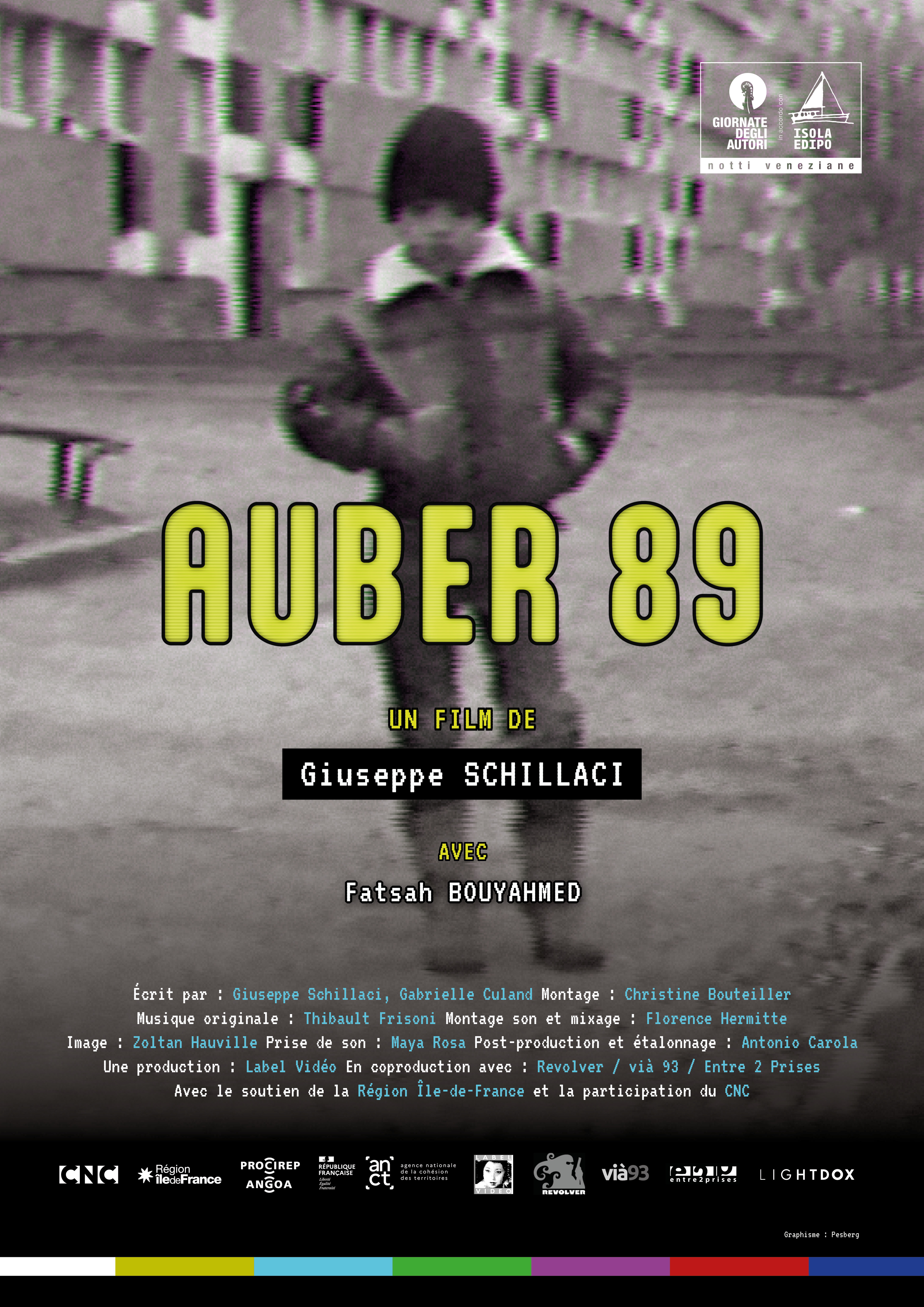
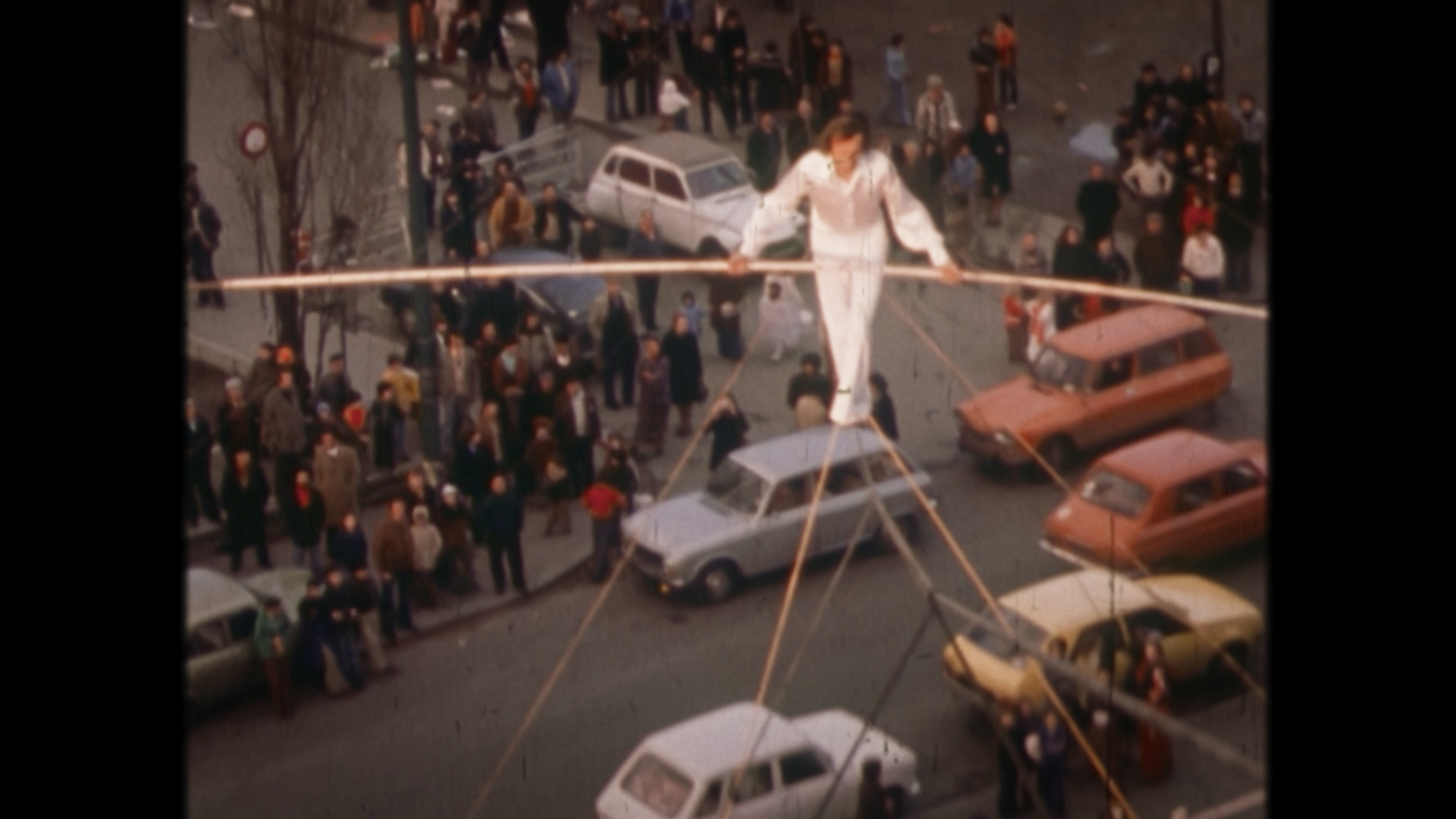
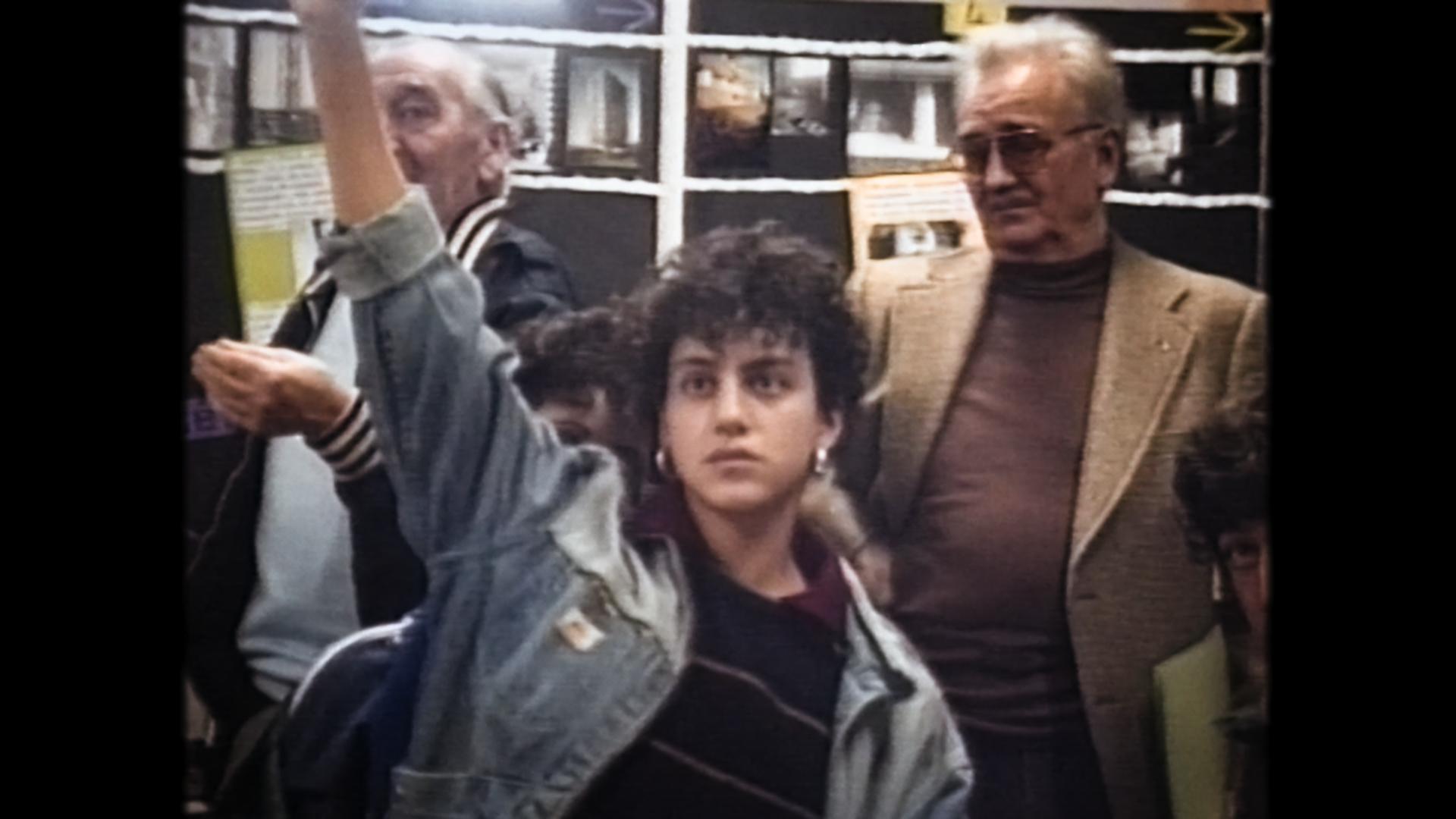
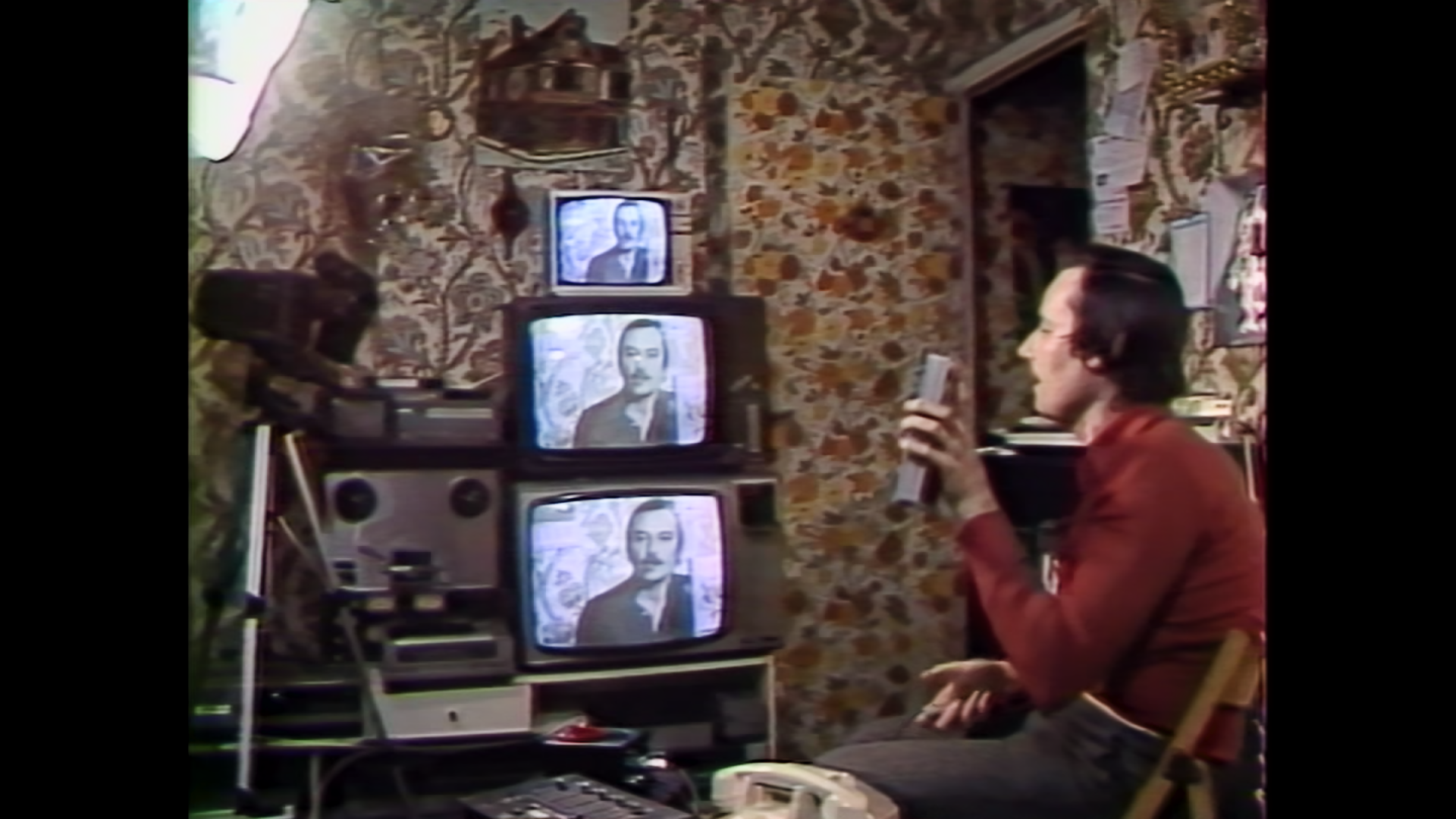
After an accident leaves actor Fatsah Bouyahmed with memory loss, previously unseen archival footage from Aubervilliers – the housing estate on the outskirts of Paris where he grew up – begins to reconnect him with both his own personal past and the collective memory of his community. Filmed in the 1980s when an ambitious urban renewal project was underway, the images capture a neighborhood striving to improve its living conditions and imagine a better future. As Fatsah revisits the footage forty years later, memories of family, friendship, music, and daily life resurface alongside the social tensions of the time: the growing racism, inequality, and exclusion. Moving between past and present, Auber 89 revisits a fleeting moment of hope before disillusionment reshaped the Parisian suburbs, while the textures of television and VHS ground the story in the sensory world of the 80s.
TRAILER
CREDITS
Directed by Giuseppe Schillaci
Written by Giuseppe Schillaci, Gabrielle Culand
Editing Christine Bouteiller
Original Soundtrack Thibault Frisoni
Sound Editing and Mixing Florence Hermitte
DOP Zoltan Hauville
Sound Recordist Maya Rosa
Post-production & Color Grading Antonio Carola
Producers Véronique Holley, Raffaele Ventura
Production company Label Vidéo
Co-producers Revolver (Paolo Maria Spina), Via93 (Sylvain Poubelle & Bruno Niepceron), Entre 2 Prises (Pierre-Jean Bartheye)
WITH THE SUPPORT OF
Région Île-de-France (in partnership with CNC), Procirep – Société des producteurs & Angoa, Centre national du cinéma et de l’image animée, Fonds Images de la Diversité, Agence Nationale de la Cohésion des territoires
SCREENINGS & AWARDS
World Premiere: Giornate degli Autori – Notti Veneziane 2026
https://www.giornatedegliautori.com/program/auber-89/
ORTIGIA FILM FESTIVAL (21 septembre 2026)
https://www.ortigiafilmfestival.com/en/auber-89/
Audience Award for Best Documentary
Special Mention from the Jury
Reasoning:
For its ability to give shape and new life to an extraordinary archive, transforming the memory of a place and its inhabitants into a narrative that is both intimate and collective. Starting from a local context, the film gradually broadens its perspective to paint a portrait of a society, spanning generations, transformations and contradictions. A work that brings personal and collective memory into dialogue and transforms a specific experience into an open space for recognition and identification, reminding us how the stories of a community can continue to speak to us far beyond its own boundaries.
MATIFF (Matera International Film Festival): 30 septembre 2026
Milano, Cinema Beltrade: 23 octobre 2026
ARCHIVIO APERTO (Bologna, 24, 25 septembre 2026): INTERNATIONAL COMPETITION
https://www.archivioaperto.it/proiezioni/auber-89/
DOK LEIPZIG (Germania, 29, 30, 31 octobre 2026): Première Internationale
INTERNATIONAL COMPETITION: https://www.dok-leipzig.de/en/film/auber-89/programm
PRESS
Reviews: Deadline – Acquisition Announcement
“Auber 89 came about following the discovery of a previously unseen archive containing hundreds of hours of footage documenting the regeneration of a Parisian suburb, Aubervilliers, in the 1980s. […] When I discovered that the actor Fatsah Bouyahmed appeared, aged fifteen, in those footage clips, I contacted him to show him some of the sequences, but he told me he no longer wanted anything to do with Auber and that, moreover, he had recently lost his memory following an accident. The film thus became a healing ritual, in which Fatsah rediscovers his past and I come to understand the history of an area I’ve lived in for over a decade, but which I’ve always associated with the clichés of violence and marginalisation from the 1995 film La Haine. Thanks to Fatsah, however, I have discovered another history of France’s working-class neighbourhoods, one made up of struggles and community involvement, racism and disillusionment. Auber 89 reconstructs an intimate yet collective moment of solidarity and social transformation, before the banlieues went up in flames, – as they continue to do even today, and not only in France.” (Giuseppe Schillaci)